
- Identifying Scorpion Species in Tucson
- – Common scorpion types found in the region
- – Distinguishing features and behaviors unique to each
- Understanding Scorpion Habitat and Migration Patterns
Identifying Scorpion Species in Tucson
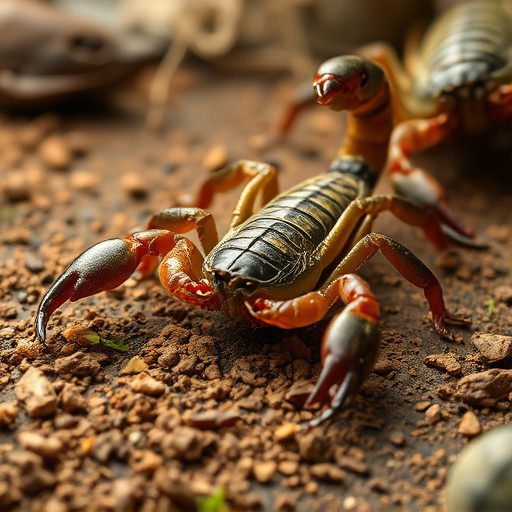
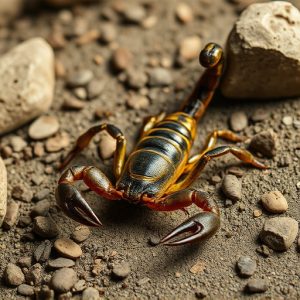
In Tucson, understanding the local scorpion species is key to effective scorpion control. The city’s diverse landscape and climate attract several varieties, with the most common being the bark scorpion (Crotalus cerasatus) and the desert hairless scorpion (Androctonus australis). These scorpions have distinct features: the bark scorpion has a light-colored tail tip, while the desert hairless scorpion lacks distinctive markings. Recognizing these species is crucial as it helps residents identify potential threats and take appropriate action for scorpion control Tucson services.
Locals should also note the behaviors that differentiate these scorpions. For instance, the bark scorpion prefers dark, secluded areas, often found under rocks or in crevices, while the desert hairless scorpion is more versatile, inhabiting both outdoor and indoor spaces. Understanding their preferences and habitats allows for better prevention and control, empowering Tucson residents to create a safer environment by addressing potential scorpion infestations promptly.
– Common scorpion types found in the region
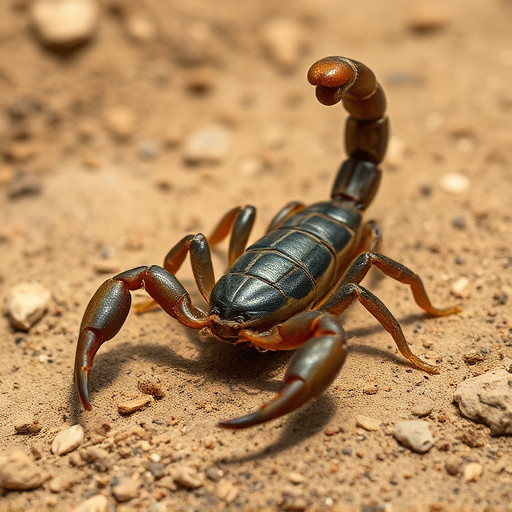
– Distinguishing features and behaviors unique to each
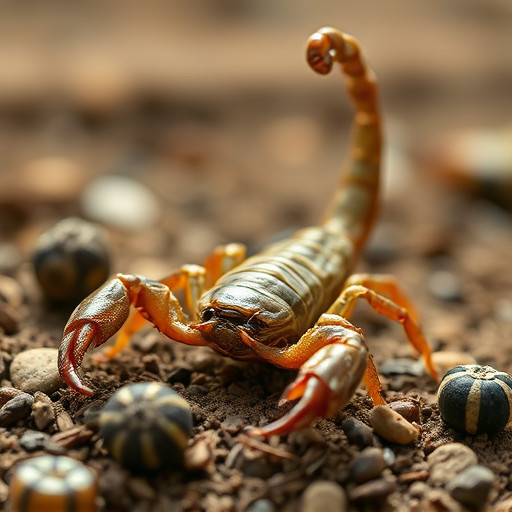
In the vibrant landscape of Tucson neighborhoods, understanding scorpion behavior is key to effective scorpion control. Scorpions, with their distinct appearance and unique habits, can vary significantly across species. For instance, the common desert scorpions, such as the bark scorpion, tend to be more active at night, seeking shelter during the day in cracks, crevices, or under rocks. They are known for their rapid tail movement, a behavior used for communication and defense. In contrast, some species prefer moist environments, like the giant desert hairy scorpion, which can be found near irrigation systems or rain-soaked areas. Recognizing these variations is crucial for targeted scorpion control Tucson methods.
Each species exhibits unique behaviors that contribute to their survival strategies. Some scorpions are more aggressive when disturbed, while others prefer to flee. Learning these patterns helps residents and pest control professionals implement the most effective prevention and removal tactics. By understanding these distinguishing features and behaviors, homeowners can take proactive steps towards scorpion prevention, ensuring a safer and more comfortable living environment in Tucson’s diverse neighborhood settings.
Understanding Scorpion Habitat and Migration Patterns
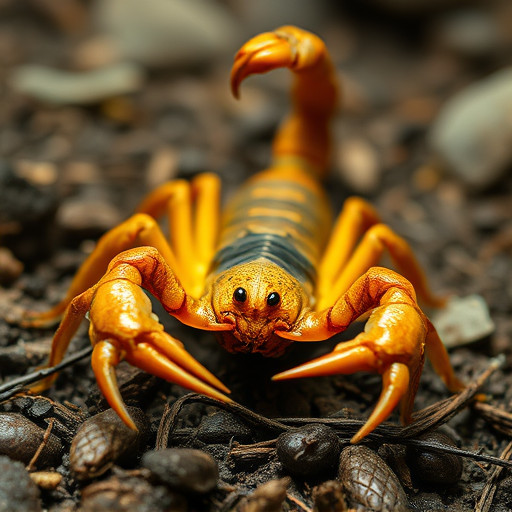
Scorpion control in Tucson neighborhoods requires understanding these creatures’ habitat and migration patterns. Scorpions thrive in warm, dry environments, making Tucson’s climate ideal for their survival. They often seek refuge in cracks, crevices, and dark, secluded areas within homes, gardens, and outdoor spaces. During the cooler months, some scorpion species may migrate indoors as they search for heat sources, which can lead to unexpected encounters in living rooms or bedrooms.
Recognizing their migration patterns is key to effective scorpion control Tucson residents can employ. Seasonal changes play a significant role in scorpion activity; spring and fall are typically peak seasons when scorpions are most active, searching for food and mates. Understanding these behaviors allows homeowners and professionals alike to implement preventative measures, such as sealing entry points, maintaining proper lighting, and regular pest control treatments, to minimize scorpion infestations.