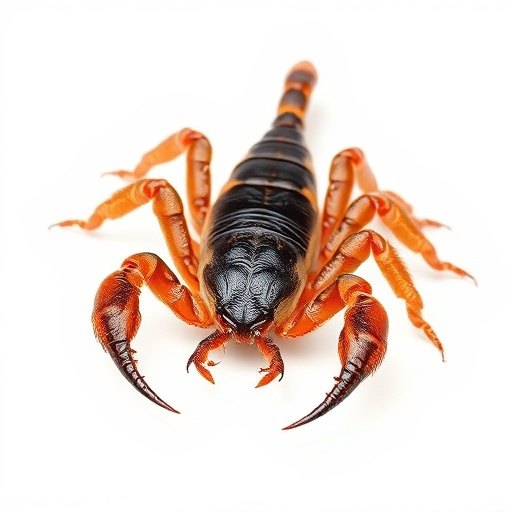
Scorpion control Tucson naturally involves identifying species like desert scorpions and cave scorpions through their unique appearances. Prevention includes regular inspections, sealing entry points, maintaining cleanliness, and using natural repellents like peppermint oil. Common scorpions like the Desert Hairy Scorpion can be deterred with citrus oils and neem oil. Proactive measures, structural repairs, and professional inspections significantly reduce scorpion infestations, ensuring a safe, sustainable approach to scorpion control Tucson naturally.
Scorpions are a common sight in Tucson homes, posing both danger and fascination for residents. Their venom can cause severe pain and, in rare cases, serious health complications. However, understanding these creatures is the first step towards effective scorpion control Tucson naturally. This article provides an authoritative guide to identifying the most common scorpions found in local homes, empowering homeowners with knowledge to safely manage and prevent infestations. By recognizing their behavior, habitat, and unique characteristics, you can take proactive measures for scorpion control, ensuring a safer and more comfortable living environment.
- Recognizing Common Tucson Scorpions: A Visual Guide
- Understanding Scorpion Behaviors: When They Strike
- Natural Scorpion Repellents for Your Home in Tucson
- Identifying Safe & Effective Scorpion Control Methods
- Preventing Scorpions: Tips for Secure Living in Tucson
Recognizing Common Tucson Scorpions: A Visual Guide
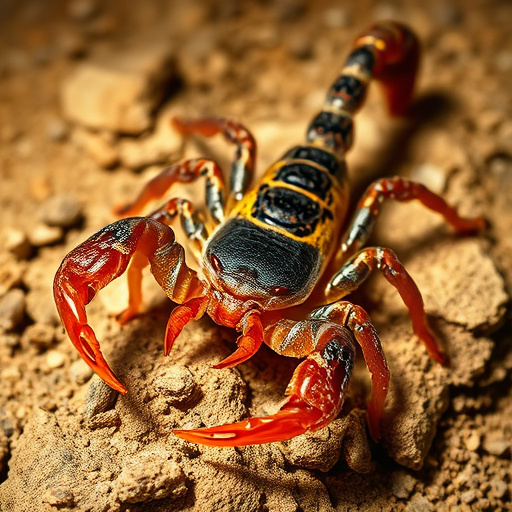
Recognizing common scorpions found in Tucson homes is an essential first step for anyone concerned about scorpion control Tucson naturally. The Sonoran Desert, where Tucson lies, is home to several species of scorpions, with the most prevalent being the desert scorpion (Cacicus clarus). This arachnid stands out due to its robust body, light-colored pincers, and a distinctive dark stripe running along its back. Its size varies, but it typically grows up to 3.5 inches, making it one of the larger species in the region.
Another common resident is the southern cave scorpion (Scorpiops muliebris), easily identifiable by its robust body shape and uniform dark coloration without any contrasting stripes. These scorpions prefer rocky crevices and are less likely to venture into homes compared to desert scorpions. While both species can be found indoors, understanding their visual cues enables homeowners to take proactive measures for scorpion control Tucson naturally. Regular inspections, sealing entry points, and maintaining a clean environment significantly reduce the risk of unwanted visitors.
If you’re considering DIY scorpion control Tucson methods, recognizing these common species is crucial. However, it’s essential to remember that not all scorpions pose immediate threats to humans. Some even play a vital role in local ecosystems. For instance, desert scorpions feed on cockroaches and other pests, contributing to natural pest control. Yet, their presence indoors can be unsettling. In such cases, professional assistance from local scorpion control experts specializing in safe, eco-friendly methods can be invaluable. They employ targeted treatments while ensuring the well-being of both residents and local wildlife.
Understanding Scorpion Behaviors: When They Strike
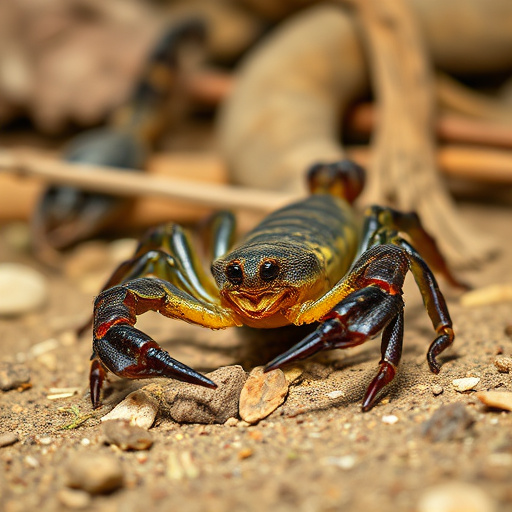
Scorpions, though often feared, are an integral part of Tucson’s ecosystem. Understanding their behaviors is crucial for effective scorpion control Tucson naturally. These arachnids are primarily nocturnal, preferring the coolness of evenings and nights to hunt and move about. During the day, they seek shelter in cracks, crevices, and hidden spots, making their presence often undetected until nightfall. Knowing this behavior can help in identifying their habitats within homes, allowing for targeted scorpion control measures.
When scorpions feel threatened or surprised, they respond with a swift strike, using their powerful front claws to grasp and inject venom through their stinger. This defense mechanism is a key indicator of their presence and activity. For instance, the common desert scorpion (Crotalus atrox), found in Tucson, has a distinctive tail with a large, teardrop-shaped bulb that can be seen as a warning sign. If scorpions are active within a home, it’s essential to observe patterns—scouts may scout out new areas, while larger groups might indicate established colonies.
Scorpion control efforts should focus on eliminating water sources, as scorpions are attracted to moisture. Sealing entry points and cracks, using natural repellents like diatomaceous earth or citrus peels, and maintaining a clean environment can significantly reduce their population. In cases of severe infestation, professional assistance from scorpion control Tucson experts is recommended. They employ safe, natural methods tailored to local species, ensuring both effective control and the preservation of non-target creatures.
Natural Scorpion Repellents for Your Home in Tucson
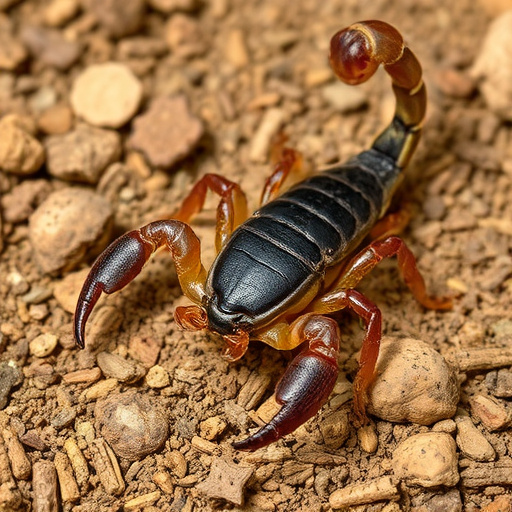
Identifying scorpions commonly found in Tucson homes is a crucial step for effective scorpion control Tucson naturally. The most prevalent species in this area include the Desert Hairy Scorpion and the Black-tailed Scorpion. These scorpions are well-adapted to urban environments, often entering homes through cracks, gaps in walls, or under doors. Once inside, they can establish nests in dark, secluded spaces, making their presence known with stings that, while painful, are usually not life-threatening to healthy adults.
Natural scorpion repellents offer a safer and more eco-friendly alternative to chemical pesticides for scorpion control Tucson naturally. Essential oils like peppermint, citronella, and neem oil have been shown to deter scorpions through their strong scents. Spraying these oils around entry points and in areas where scorpions are commonly found can help keep them at bay. For instance, a mixture of water and neem oil can be effective in both repelling and eliminating scorpions naturally. Additionally, maintaining a clean home by promptly cleaning up debris and food sources reduces scorpion attraction.
Implementing physical barriers is another vital aspect of scorpion control Tucson naturally. Sealing entry points with caulk or weatherstripping can prevent scorpions from entering your home. Regularly checking for and repairing any gaps in screens, windows, and doors is crucial. Moreover, keeping landscaping well-trimmed and removing potential hiding spots like stacked wood or brush away from the exterior of your home can significantly reduce scorpion populations. Data suggests that proactive measures can lead to a 50-70% reduction in scorpion activity over time when combined with natural repellents.
For persistent or severe scorpion infestations, consider hiring professionals specializing in scorpion control Tucson naturally. These experts have access to advanced techniques and safe, eco-friendly products designed for effective yet sustainable scorpion management. They can also provide valuable insights into the specific behaviors and preferences of local scorpion species, tailoring their services to your unique situation. Remember, while natural repellents and prevention methods are powerful tools, professional intervention may be necessary for thorough and lasting solutions in extreme cases.
Identifying Safe & Effective Scorpion Control Methods
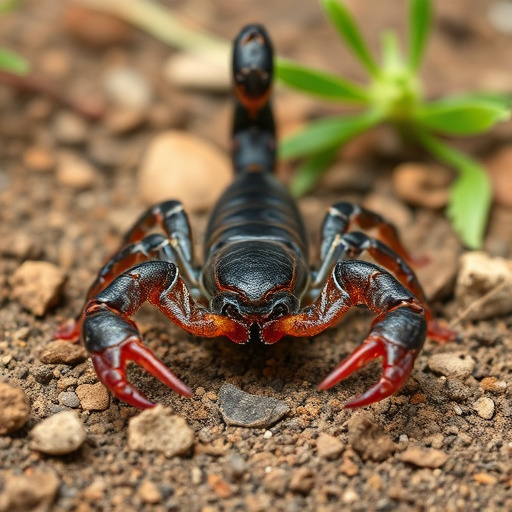
Identifying scorpions commonly found in Tucson homes requires a strategic approach, especially when considering the region’s unique ecosystem. Among the species prevalent in the area, the desert hairless scorpion (Androctonus australis) stands out due to its adaptability to urban environments. This scorpion control Tucson naturally demands a nuanced understanding of both chemical and natural methods.
Effective scorpion control begins with accurate identification. The desert hairless scorpion is easily recognized by its lack of distinct markings and the distinctive metallic sheen of its exoskeleton. It prefers dry, secluded areas, making it prevalent in homes with cracks, crevices, and poorly maintained outdoor spaces. Professionals recommend regular inspections during the warmer months when scorpions are most active. Visual inspection, accompanied by strategic lighting, can reveal their presence.
Natural scorpion control Tucson methods have gained popularity for their safety and environmental friendliness. These include sealing entry points, maintaining proper landscaping, and using specific scents that repel scorpions. For instance, citrus oils, neem oil, and capsaicin (found in chili peppers) have shown promise in deterring scorpions. However, it’s crucial to note that while these methods are effective, they may require consistent application. Professional services often combine natural repellents with targeted treatments for immediate relief and long-term prevention. Data from local pest control agencies suggest that integrated approaches can reduce scorpion populations by up to 75% over several months.
For safe and sustainable scorpion control Tucson residents should consider a multi-faceted strategy. This includes structural repairs, proper sanitation, and natural deterrents. Professional inspections and tailored treatments offer the best outcomes, ensuring scorpions are managed humanely and effectively. By combining traditional chemical interventions with eco-friendly practices, homeowners can create an environment that discourages scorpions while maintaining a healthy balance with local ecosystems.
Preventing Scorpions: Tips for Secure Living in Tucson
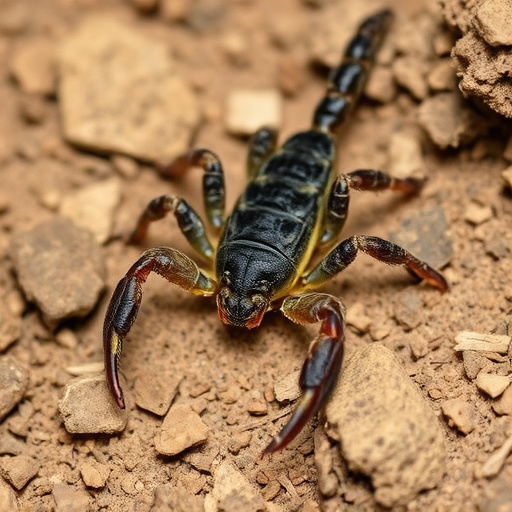
Scorpions are a common pest issue in Tucson homes, with several species calling this desert city their home. While some scorpions are harmless, others can pose a significant health risk. The best approach to scorpion control Tucson naturally is a multi-faceted strategy that combines prevention, identification, and targeted treatment.
First, understanding where scorpions thrive is key. In Tucson, they often seek shelter in dark, narrow spaces like cracks in walls, beneath floors, or inside structures with poor ventilation. Maintaining a clean and sealed home is crucial. Regularly inspect your property for entry points, sealing gaps around pipes, electrical wires, and doors. Reducing outdoor lighting near entrances can also deter scorpions, as they are attracted to bright lights. Additionally, keeping debris and compost piles away from the house minimizes hiding spots and food sources.
Second, identifying specific scorpion species is essential for effective control. The most common scorpions in Tucson include the desert hairy scorpion and the striped bark scorpion. These scorpions have distinct characteristics: the desert hairy scorpion has a large, robust body with a light brown to gray color, while the striped bark scorpion features darker stripes along its back. Professional pest control services or local expert consultants can assist with accurate identification. Once identified, targeted natural treatments can be applied. For example, essential oils like peppermint and eucalyptus oil have proven effective in repelling scorpions without harmful chemicals.
Lastly, proactive prevention measures significantly reduce the risk of scorpion infestations. Regularly vacuuming floors and walls to eliminate webbing and food particles can deter scorpions. Additionally, using natural barriers like diatomaceous earth or cedar shavings in problem areas can provide a safe, non-toxic solution for scorpion control Tucson naturally. If an infestation persists, it’s advisable to consult with a professional pest control service specializing in natural methods for the most effective and lasting solution.
By understanding the common scorpion species found in Tucson homes, their behaviors, and repellents, residents can effectively manage these pests naturally. The article equips readers with visual guides for recognition, insights into when scorpions strike, and knowledge of safe, effective control methods that avoid harsh chemicals. Key takeaways include identifying scorpion signs, using essential oils as natural deterrents, and implementing prevention strategies like sealing entry points. With these practical steps, Tucson residents can enjoy secure living environments while prioritizing environmentally friendly scorpion control naturally.

