
Understanding scorpion behavior in Tucson involves identifying five primary species. Effective scorpion control Tucson naturally requires knowledge of their habits and adaptations. Key strategies include sealing entry points, using natural deterrents, promoting biodiversity through native plants, and regular inspections. Combining these methods allows residents to coexist with scorpions while preserving the local ecosystem. For severe infestations, professional heat treatment is recommended.
Scorpis are an integral part of Tucson’s ecosystem, yet their behavior often remains a mystery to residents. Understanding scorpion activity is crucial for both ecological balance and human safety, especially with concerns regarding scorpion control in Tucson neighborhoods. This article provides an authoritative guide to demystifying scorpion behavior, offering insights that go beyond mere avoidance. We delve into the natural habits of these arachnids, their environmental cues, and how Tucson residents can coexist harmoniously with them. By embracing a balanced approach, including natural scorpion control methods, we can ensure both the well-being of our community and the preservation of local wildlife.
- Recognize Scorpion Species in Tucson
- Understand Scorpion Habitat and Diet
- Natural Scorpion Repellents and Control Methods
- Safe Coexistence: Protecting Yourself and Your Home
Recognize Scorpion Species in Tucson
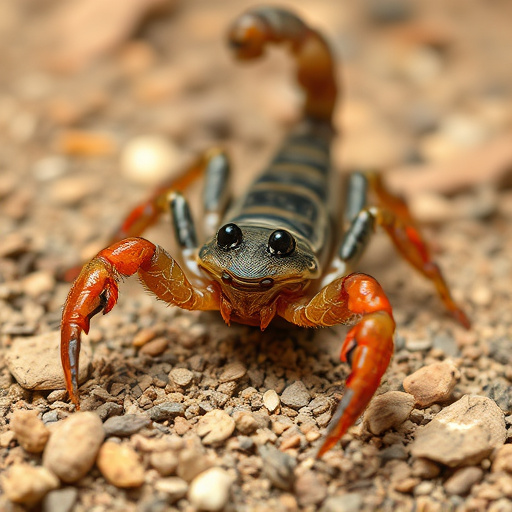
Understanding scorpion behavior requires first recognizing the species present in your Tucson neighborhood. Five primary scorpion species inhabit this region, each with distinct characteristics and habitats. The most common are the Desert Hairy Scorpion (Androctonus australis), Sonoran Desert Scorpion (Cacatora (C.) gerstaeckeri), and the Black-tailed Scorpion (Scorpiops mauritanicus). These scorpions adapt to urban environments, frequently found in gardens, under debris, and within cracks of structures. Recognizing their unique appearances aids in effective scorpion control Tucson naturally.
The Desert Hairy Scorpion, for instance, is easily identified by its robust body, long tail, and distinctive yellow or light brown markings. The Sonoran Desert Scorpion, meanwhile, has a more slender build with a dark brown to black coloration. Its tail is relatively short compared to other species. The Black-tailed Scorpion stands out due to its jet-black body and tail, often found in rocky areas and under boulders. Proper identification is crucial as different scorpions require specific management strategies.
While scorpion stings can be painful, most species pose minimal threat to humans. However, understanding their behavior enables effective scorpion control Tucson naturally. Maintaining a clean yard, sealing entry points, and using essential oils like lavender and citrus have proven successful. Regular inspections and prompt removal of potential habitats are key preventive measures. By combining knowledge of local species with practical strategies, Tucson residents can coexist harmoniously with these intriguing arachnids.
Understand Scorpion Habitat and Diet
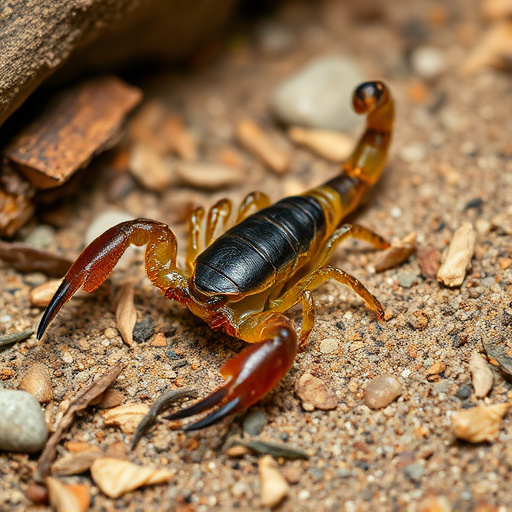
Scorpions are a common sight in Tucson’s arid landscapes, with over 13 species recorded in the area. Understanding their habitat and diet is crucial for effective scorpion control Tucson naturally. These arachnids thrive in dry, rocky environments, often burrowing under boulders or nesting in crevices to escape extreme temperatures. In urban settings, they can be found in cracks along foundations, beneath decks, and even inside vacant structures, taking advantage of hidden spaces that provide shelter and food sources.
Dietary habits vary across species but typically consist of insects, spiders, and other small arthropods. In residential areas, scorpions are attracted to environments with abundant insect populations, such as lush gardens or places where pets and wildlife are active. While some may perceive them as a nuisance, these creatures play an essential role in local ecosystems, helping to control insect numbers naturally. However, their presence can raise concerns about human health, particularly due to the sting’s potential for causing pain and, in rare cases, more severe reactions.
To manage scorpion populations effectively, Tucson residents should focus on prevention and natural deterrents. Maintaining a clean yard by removing clutter, sealing entry points, and practicing good pest control practices can significantly reduce their appeal. Using diatomaceous earth or certain essential oils known to repel scorpions can be part of a scorpion control Tucson naturally strategy. Additionally, promoting biodiversity in the garden by planting native species that attract beneficial insects can help disrupt the food chain supporting scorpion populations.
Natural Scorpion Repellents and Control Methods
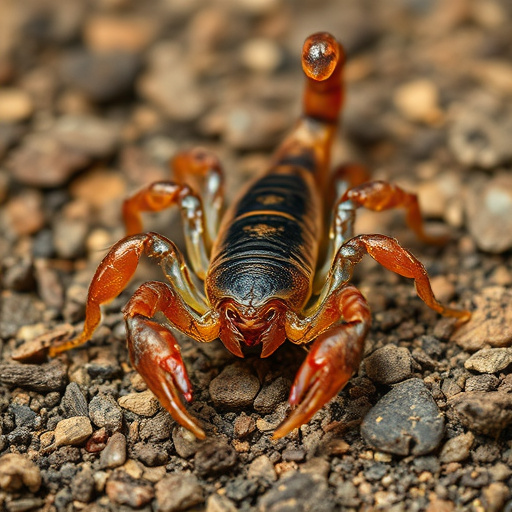
Scorpion control in Tucson neighborhoods requires a multifaceted approach, especially when opting for natural repellents and control methods. Native to the Sonoran Desert, scorpions are an integral part of the local ecosystem but can pose a significant nuisance to residents. Understanding their behavior is key to effective scorpion control Tucson naturally. These arachnids primarily seek shelter during the day, preferring cracks, crevices, and dark, secluded areas. They become more active at night, when they hunt for prey and mate. Knowing these patterns allows property owners to implement targeted strategies.
One of the most effective natural repellents is maintaining a well-trimmed lawn and removing potential hiding spots like piles of wood or brush. Regularly watering gardens and using organic, scorpion-repelling plants such as lavender, lemongrass, and marigolds can also deter these pests. Essential oils from these plants contain compounds that scorpions find unpleasant. For instance, a study published in the Journal of Pest Management found that lavender oil effectively repelled both desert black scorpions and brown scorpions. Additionally, natural barriers like diatomaceous earth, which is safe for pets and kids, can be applied in crevices and entry points to disrupt scorpion pathways.
While these methods are environmentally friendly, they may require consistent effort for optimal results. For more severe infestations or hard-to-reach areas, professional intervention from local scorpion control services specializing in natural methods is advisable. These experts employ techniques like heat treatment, which uses temperature extremes to disorient and control scorpions, ensuring a safe and effective solution without harmful chemicals. By combining these natural repellents and control methods, Tucson residents can significantly reduce scorpion populations while maintaining a harmonious relationship with the region’s unique wildlife.
Safe Coexistence: Protecting Yourself and Your Home

In Tucson’s unique ecosystem, understanding scorpion behavior is key to safe coexistence. Scorpions are naturally adapted to desert environments, making them prevalent in local neighborhoods. While their presence can be concerning for residents, implementing effective yet natural scorpion control methods can minimize interactions and ensure a harmonious shared space.
One of the primary considerations for protecting yourself and your home from scorpions is identifying potential entry points. Scorpions can infiltrate through small cracks and crevices, so sealing these openings around windows, doors, and foundations is crucial. Regular inspection and maintenance are essential; promptly addressing any gaps or holes will significantly reduce scorpion attraction. Additionally, proper landscaping practices can deter scorpions naturally. For instance, keeping grass mowed and removing low-lying vegetation reduces hiding spots and disrupts their foraging paths.
Natural scorpion control Tucson strategies offer effective alternatives to harsh chemicals. Utilizing beneficial insects like spider mites or releasing predator bugs such as mantis can help regulate scorpion populations humanely. Essential oils like peppermint or eucalyptus oil also act as natural repellents when diffused or applied topically (on non-sensitive surfaces). However, professional intervention is recommended for severe infestations. Experts in scorpion control Tucson services employ specialized techniques and products while prioritizing safety and environmental impact, ensuring a more comprehensive solution.
Understanding scorpion behavior is key to effective scorpion control Tucson naturally. By recognizing local species, knowing their habitat preferences, and grasping dietary needs, residents can implement targeted, safe repellents and control methods. Maintaining a clean yard, sealing entry points, and using natural deterrents like diatomaceous earth or neem oil significantly reduces scorpion presence. Moreover, adopting practices to protect oneself and one’s home, such as wearing protective clothing and installing exterior lighting, fosters safe coexistence with these creatures. This multi-faceted approach ensures both the safety of residents and the preservation of a balanced ecosystem in Tucson neighborhoods.